by holar | Nov 13, 2026 | Palm Oil
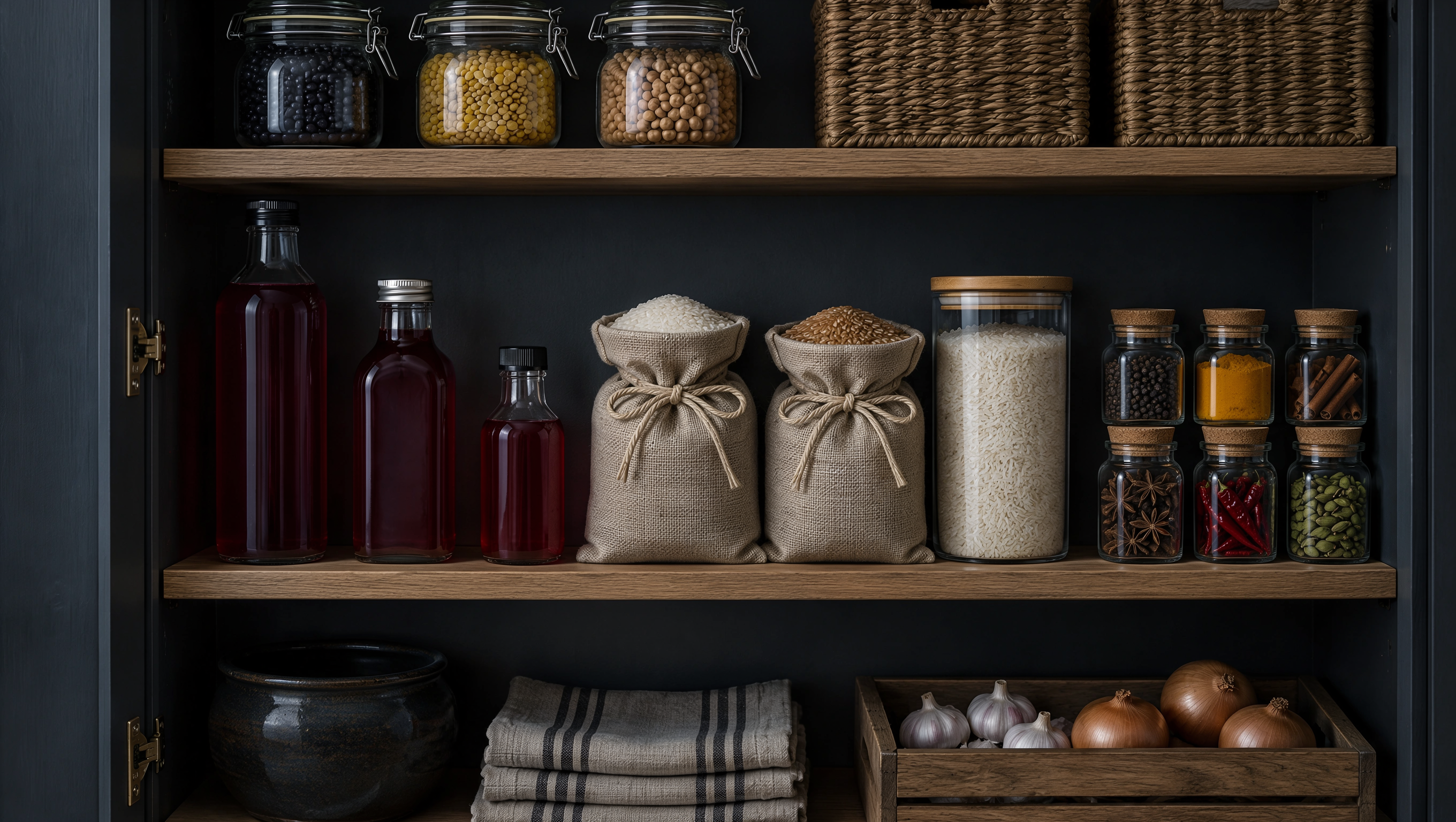
Quick answer: Store palm oil in a cool, dark cupboard, in a sealed, non-transparent container, away from the hob and any sunny window, and always use a clean, dry spoon. Light, heat, air and water are what make palm oil go stale. Research on crude palm oil kept in the...

by holar | Nov 9, 2026 | Palm Oil
Quick answer: Sudan dyes are industrial red dyes that are banned in food in the UK, and they have occasionally been found in palm oil. Since 2003, palm oil imports into the UK have had to come with test certificates showing they are free from Sudan dyes, and any food...
by holar | Nov 5, 2026 | Palm Oil
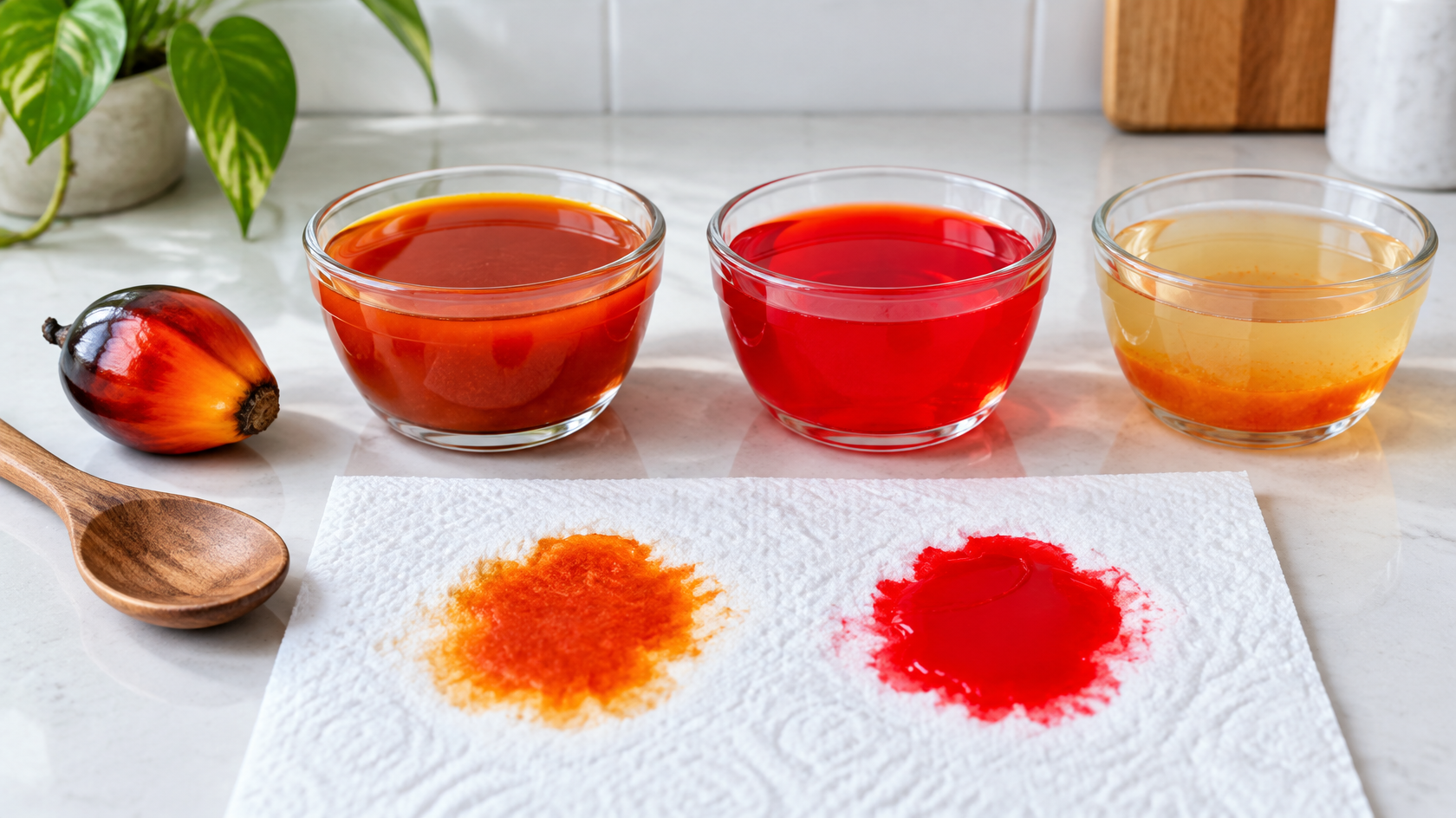
Quick answer: You can spot many fake or adulterated palm oils by checking five things: the smell, the colour, how the oil behaves in the cold, the label, and whether the seller is a registered food business. Real palm oil smells earthy, is a natural orange-red, and...
by holar | Nov 5, 2026 | Palm Oil
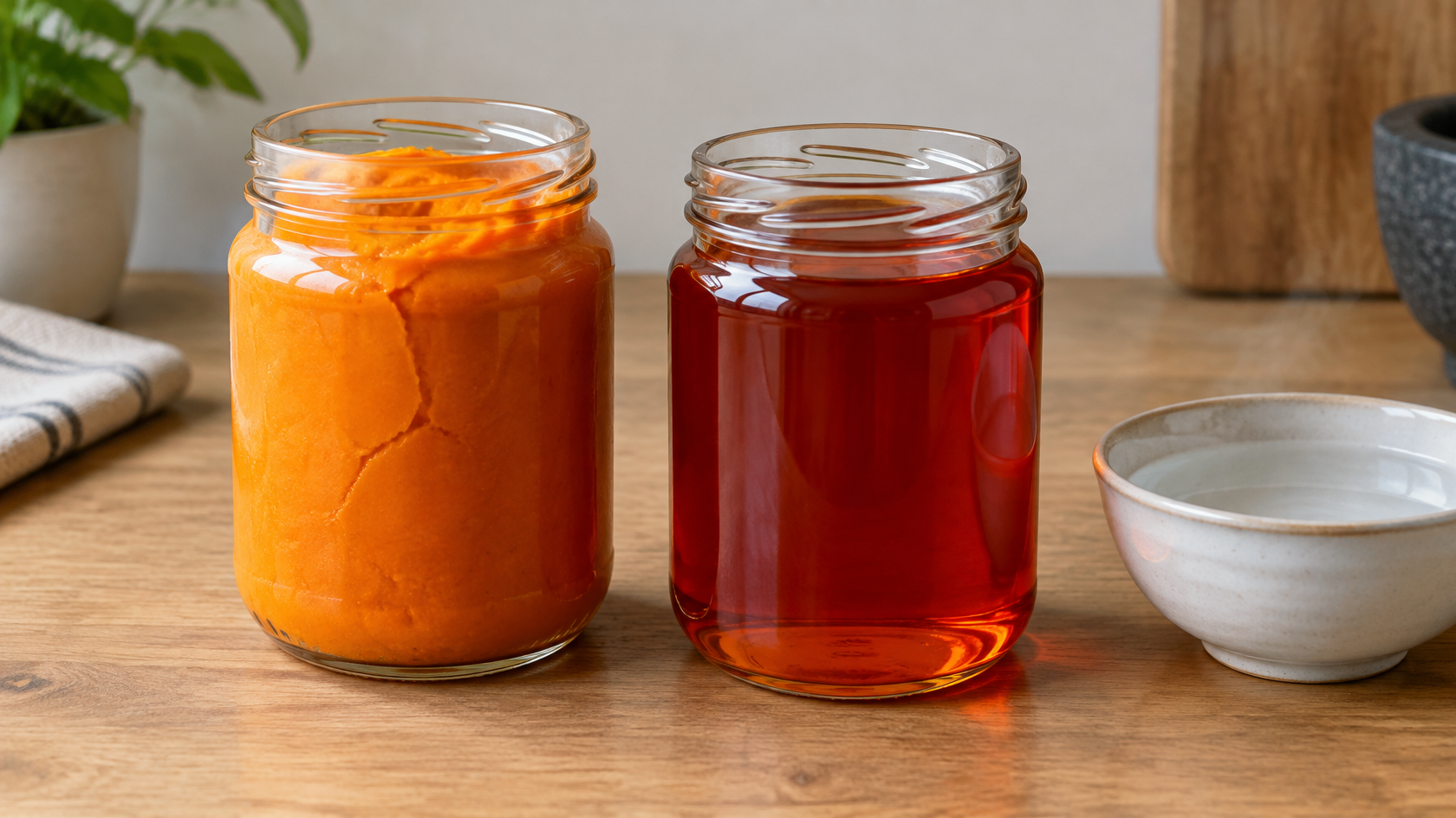
Quick answer: Palm oil goes solid in the UK because it melts at around 34 to 39°C, and British homes are usually far cooler than that. Measured melting points for palm oil cluster around 35 to 37°C, while UK living rooms in winter often sit between 11 and 21°C. A...
by holar | Nov 5, 2026 | Palm Oil
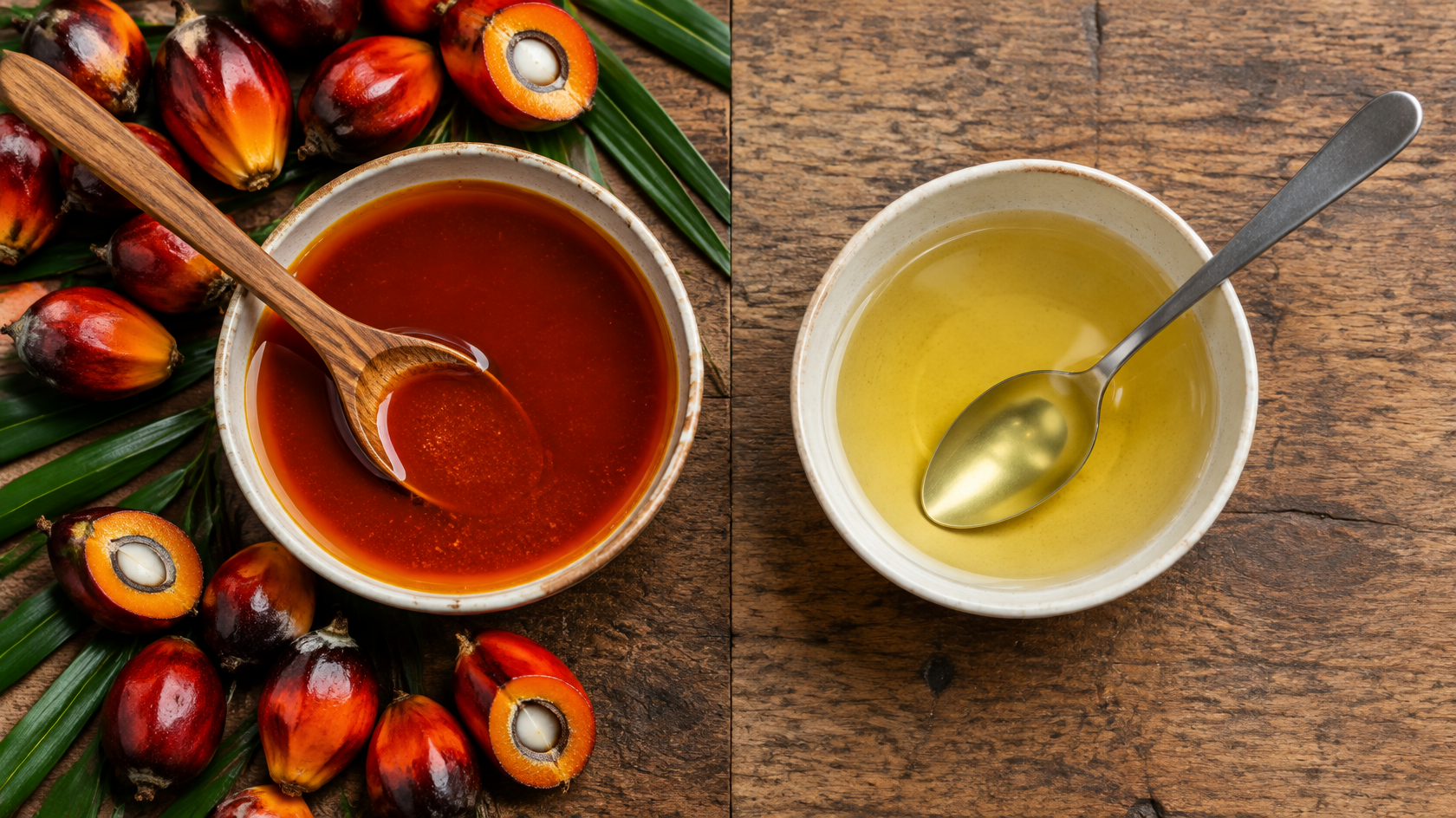
Quick answer: Red palm oil is unrefined or gently processed oil that keeps its natural carotenes, so it is deep orange-red with an earthy, savoury flavour. Refined palm oil (RBD) has been degummed, bleached with clay and deodorised with high-temperature steam, which...
by holar | Oct 5, 2026 | Palm Oil
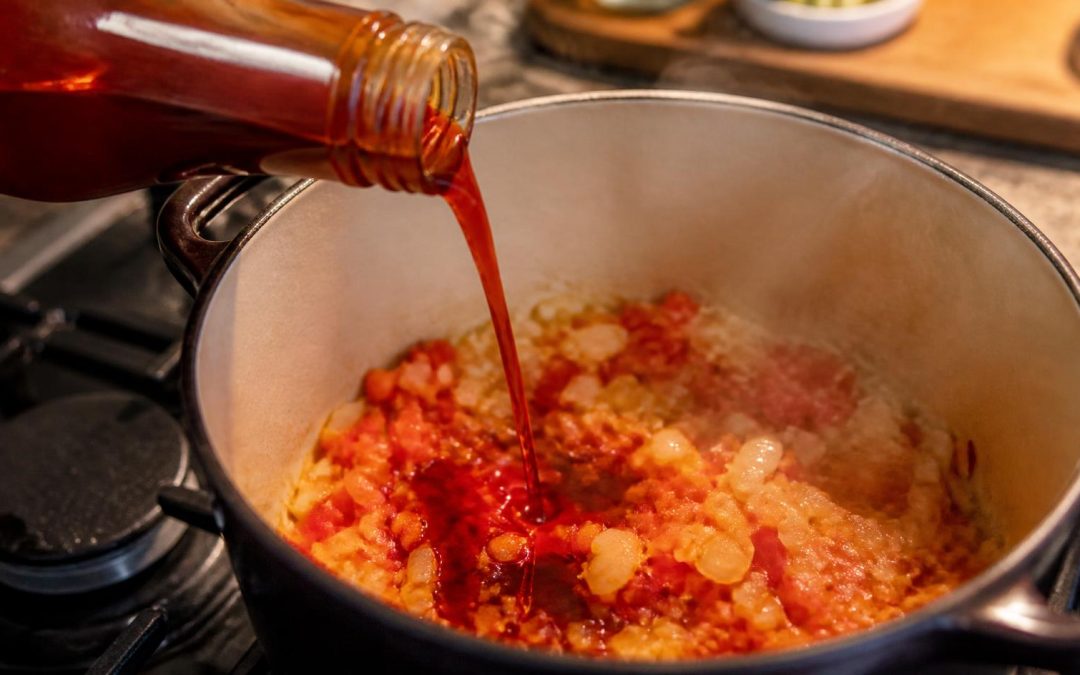
Quick answer: 100% natural Nigerian palm oil is red oil pressed from the pulp of the oil palm fruit, with nothing added and nothing taken away. It is made by boiling fresh palm fruit, pounding it, then skimming and drying the oil. “Undiluted” means it is...
